October 22, 2026
Organizing an outdoor event involves meticulous planning, with sanitation solutions often playing a crucial role in determining the final outcome. While entertainment and food are frequently given top priority by planners, sanitation facilities should never be underestimated or overlooked. These setups provide basic human necessities that keep guests comfortable, safe, and content throughout the duration of any gathering. When people attend concerts, festivals, community fairs, or private celebrations, their overall perception of the event is directly tied to the availability and cleanliness of restroom facilities. A lack of proper facilities quickly leads to frustration, early departures, and negative reviews. Consequently, investing adequate time and resources into managing proper waste facilities forms the backbone of successful event logistics.
Selecting appropriate rental options allows organizers to maintain high health standards, comply with strict municipal regulations, and protect public safety. Beyond basic utility, well-managed sanitation areas reflect directly on the organizational skills and professionalism of the event hosts. Guests who feel their basic personal needs are cared for are far more likely to stay longer, spend more on vendors, and return for future editions of the event. On the other hand, long lines, unhygienic conditions, and insufficient capacity can ruin an otherwise spectacular experience. See for yourself how working with a professional portable toilet supplier can help your next event go off without a hitch.
Enhancing Guest Comfort and Hygiene Standard
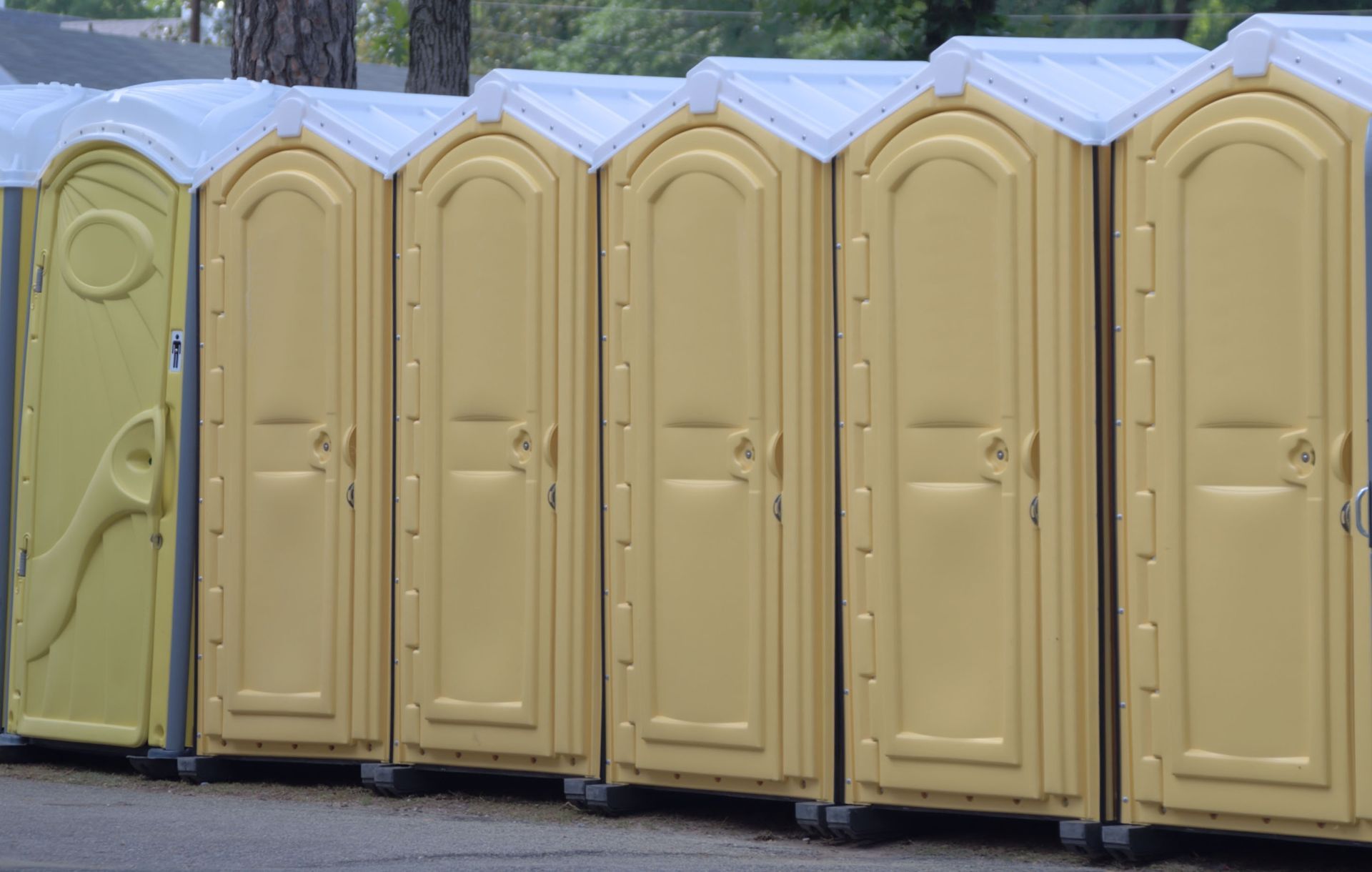
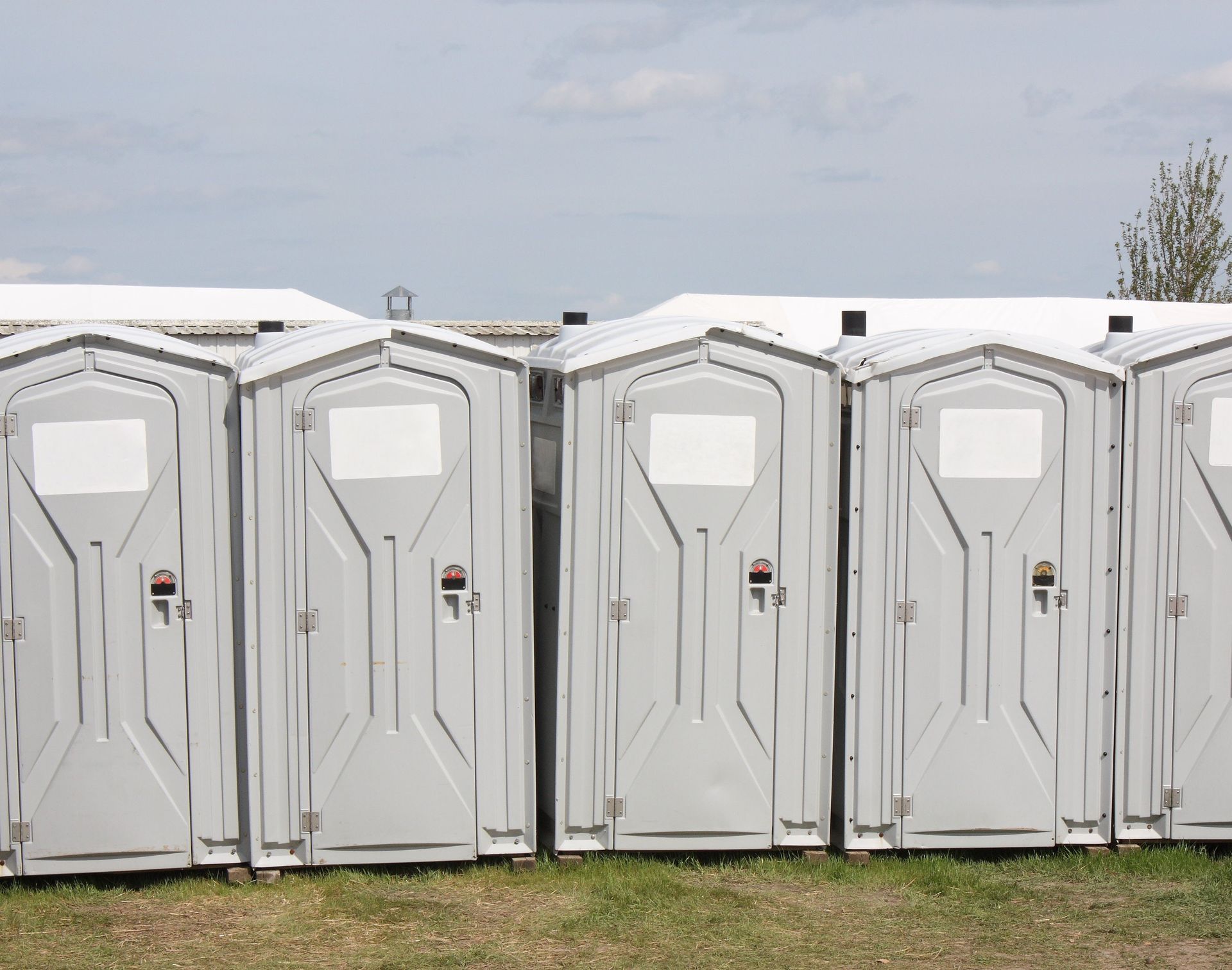
Ensuring guest comfort hinges directly on the availability and maintenance of proper sanitary facilities throughout the event premises. Attendees deeply appreciate readily accessible, clean restrooms, which significantly enhances their overall event experience and impression of the host. The role of a portable toilet in maintaining high hygiene levels at outdoor gatherings is undeniably pivotal across all demographics. These temporary restrooms prevent the spread of harmful bacteria and diseases by offering designated, self-contained spaces for human sanitation. Known for facilitating basic hygiene practices, properly serviced units ensure that large crowds can satisfy their bodily needs efficiently without compromising health or comfort standards.
Maintaining pristine conditions requires proactive planning and continuous oversight from the hosting team from start to finish. Serviced units provide guests with access to reliable amenities at all times, preventing unsightly messes and uncomfortable situations. Strategic sanitation management directly influences crowd retention, as comfortable attendees are much more likely to remain on site and participate in activities. When guests encounter dirty or inadequate facilities, their instinct is to leave the premises prematurely to find cleaner options elsewhere. By placing a high priority on accessible sanitation solutions, event organizers protect their investments, safeguard public health, and ensure that attendees remember the gathering for the right reasons.
Meeting Local Regulatory Standards and Compliance
Local municipal laws and health departments frequently mandate the provision of specialized sanitation facilities during public outdoor events. Failure to comply strictly with these established regulations can lead to substantial financial fines, operational shutdowns, or future permit denials. Sanitation vendors offer practical, compliant solutions that assist organizers in meeting complex legal standards with minimal extra effort. These regulations often specify precise ratios of units relative to the expected number of attendees, as well as mandatory inclusions for accessible facilities. Investing in commercial waste management is therefore not merely an optional convenience, but a critical legal obligation for host committees.
Fulfilling legal requirements protects event organizers from liabilities and guarantees that the venue remains safe for public access. Proper compliance documentation proves to municipal inspectors that the event host values safety and lawful execution. Furthermore, adhering to local codes establishes a strong foundation of community goodwill, demonstrating respect for local infrastructure and public space. By collaborating with professional rental suppliers, organizers gain access to expert knowledge regarding local codes and environmental statutes. Ensuring full regulatory compliance allows event directors to focus their efforts on programming, marketing, and attendee engagement without the persistent fear of legal disruptions or unexpected operational penalties.
Optimizing Facility Placement and Accessible Routing
Strategic placement of sanitation units is absolutely essential for maximizing their overall utility and ensuring crowd flow remains smooth. Event organizers must thoroughly analyze the venue layout to position units near high-traffic zones without creating inconvenient physical bottlenecks. Placing restrooms near entry gates, central food plazas, and main entertainment stages minimizes overall wait times and reduces foot traffic congestion across the venue. Considerations for visual privacy, sound reduction, and proper airflow should also influence final positioning choices. Thoughtful placement encourages prompt utilization and enhances user comfort, which ultimately reflects very positively on the event management team.
Accessibility planning represents another crucial pillar of thorough event coordination, ensuring that every single attendee is fully accommodated. This process involves installing explicit, high-visibility signage and maintaining completely clear pathways that remain entirely free of structural obstacles. Strategically positioned toilets ensure guests do not have to walk excessively, enhancing their experience. According to The Portable Sanitation Association, there are over 1,200 businesses in the U.S. focused on portable sanitation, providing a plethora of options for different needs. Organizers must choose wisely to meet accessibility requirements effectively.
Managing Ongoing Maintenance and Waste Removal
A clean, well-maintained portable toilet is far more likely to be utilized and appreciated by discerning event attendees. Establishing strict cleaning schedules before, during, and after the event guarantees that every single unit remains thoroughly hygienic and pleasant. Dedicated cleaning crews must continuously monitor facilities to replenish essential supplies like toilet paper, soap, and hand sanitizer. Prompt waste extraction and surface disinfection prevent unpleasant odors from drifting into central event spaces. Investing in rigorous, continuous maintenance protects public health, preserves user dignity, and minimizes the total volume of sanitation-related complaints from attendees throughout the day.
Implementing effective waste management strategies represents a cornerstone of responsible, professional event execution from start to finish. Management plans must account for the rapid removal and safe disposal of waste materials to prevent health hazards. Well-trained staff members are capable of identifying operational issues quickly, repairing minor mechanical defects, and maintaining an inviting atmosphere. Utilizing non-toxic, biodegradable deodorizing agents helps minimize chemical exposure while maintaining fresh indoor conditions. Comprehensive post-event site cleanup ensures that the venue is restored to its original state, strengthening positive relationships with property owners and local municipal authorities for years to come.
Evaluating Cost Efficiency and Environmental Impact
Incorporating comprehensive sanitation costs directly into early event budgets is vital for sound, accurate financial planning. Event hosts should evaluate expected attendance, event duration, and demographic needs to determine exact supply requirements without overspending. Utilizing competitive quotes from multiple professional sanitation vendors helps organizers compare unit features and discover cost-effective package deals. Tailoring specific rental packages to match event scale prevents both under-provisioning and wasteful over-allocation of budget funds. Conducting a basic cost-benefit analysis demonstrates that providing superior sanitation directly increases attendee retention, vendor sales, and overall event profitability.
Modern sanitation solutions also offer substantial ecological benefits by conserving vital natural resources and lowering total environmental impact. Modern units consume significantly less water than standard indoor plumbing systems, aligning perfectly with corporate sustainability goals. Many temporary restrooms utilize advanced waste treatment processes, decomposable materials, and non-toxic cleaning agents that reduce environmental footprints. Planners can further limit carbon emissions by sourcing portable toilet rentals locally and utilizing energy-efficient transport arrangements. Emphasizing eco-friendly waste solutions demonstrates strong corporate social responsibility, appealing to environmentally conscious attendees while safeguarding the local ecosystem.
Securing Professional Sanitation Services for Success
Prioritizing clean, accessible, and compliant restroom options is vital for running a flawless outdoor event. Taking proactive steps to address crowd sanitation needs directly improves attendee comfort, extends stay times, and elevates your event's overall public reputation. Proper preparation requires choosing high-quality equipment, planning logical layouts, and partnering with experienced sanitation providers who handle installation, maintenance, and removal seamlessly. Do not leave your event's success to chance by neglecting essential logistics. To secure reliable, top-tier portable toilet options customized to your specific venue requirements, contact the experienced team at WEB OutBack Portable Restroom Service today to request a comprehensive quote and lock in your reservation.